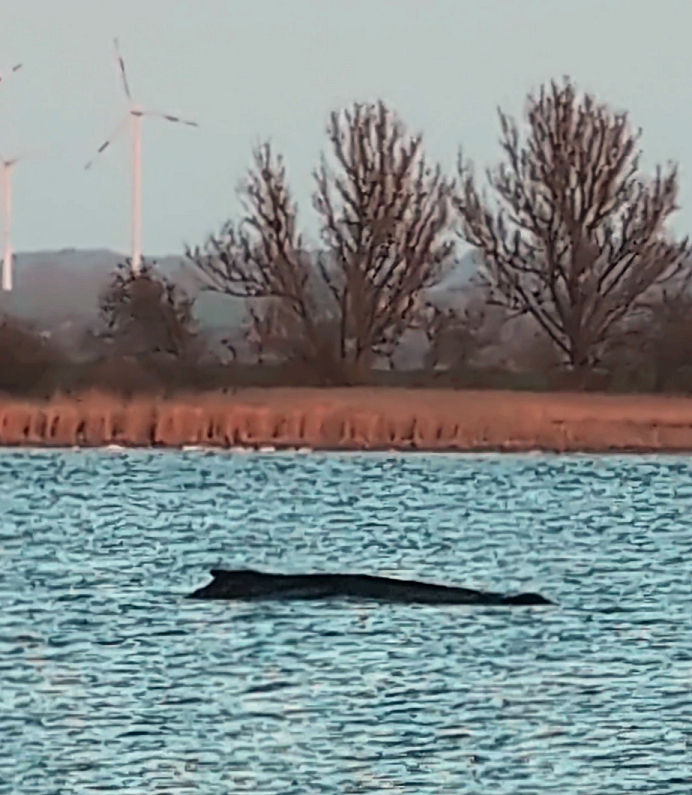
Humpback Whale Stranded in Baltic Sea: A Fight for Survival
The serene waters of the Baltic Sea, typically home to seals, porpoises, and various fish species, rarely host a creature as majestic and immense as a humpback whale. Yet, in an event that captivated and concerned an entire nation, one such leviathan found itself desperately far from its natural habitat, battling for survival against the odds. The question that lingered in the minds of many, and continues to resonate, is:
Was Ist Aus Dem Wal In Der Ostsee Geworden? What became of the whale in the Baltic Sea? This extraordinary tale is one of wonder, struggle, difficult decisions, and ultimately, a poignant reminder of nature's power and fragility.
An Unprecedented Visitor: A Humpback in Uncharted Waters
Humpback whales (Megaptera novaeangliae) are magnificent marine mammals renowned for their acrobatic breaches and haunting songs. They typically inhabit all major oceans, undertaking epic migrations from polar feeding grounds to warmer breeding waters. Their presence in the shallow, brackish, and comparatively nutrient-poor Baltic Sea is highly unusual, if not unprecedented, for an extended period. The Baltic is a semi-enclosed sea, significantly less saline than the open ocean, and its ecosystem doesn't offer the abundant krill and schooling fish that form the bulk of a humpback's diet.
The saga began with the whale's initial stranding near Timmendorfer Strand. Local authorities and marine experts launched immediate rescue efforts, successfully guiding the colossal creature back into deeper waters. There was a collective sigh of relief, a hope that the whale would find its way back to the North Sea and eventually the vast Atlantic. However, this hope was short-lived. The twelve to fifteen-meter long whale, likely disoriented or weakened, subsequently found itself stranded once more, this time in the Bucht vor Wismar (Wismar Bay). It managed to free itself briefly but became stuck again, signaling a more serious underlying issue.
The challenges for a humpback in the Baltic are immense. The shallow depths limit its movement, the reduced salinity can affect its skin and internal systems, and the scarcity of its preferred food sources quickly leads to malnutrition and weakened physical condition. This repeated stranding underscored the grave danger the whale was in, far from the protective embrace of the open ocean.
A Desperate Struggle: Deterioration and Declining Hope
As days turned into a week, the situation in Wismar Bay became increasingly critical. The whale lay almost motionless in approximately two meters of water, its immense body partially exposed due to the receding tide. Observers noted a severe decline in its health. Burkhard Baschek, the scientific director of the German Oceanographic Museum, highlighted the rapidly deteriorating state of the animal. Its breathing, initially observed at two to three times per minute when it was in Schleswig-Holstein, had drastically reduced to roughly once every four minutes. This massive reduction was a stark indicator of its weakening fitness, although experts also considered the possibility that it was less stressed and more at rest.
Beyond the reduced respiration, the whale's skin condition was reported to be poor, and alarmingly, remnants of fishing nets were visible in its mouth. This detail points to the ever-present threat of human interaction, a tragic reminder of how marine debris can endanger even the largest ocean inhabitants. Fishing gear entanglement is a significant cause of injury and mortality for whales worldwide, hampering their ability to feed and swim, and leading to slow, agonizing deaths.
Public concern swelled, with many questioning whether more could be done. Mecklenburg-Vorpommern's Environment Minister, Till Backhaus, assured the public that "We are not watching the whale die." He emphasized that "We are doing everything that is professionally justifiable to help it – carefully, coordinated, and with the greatest respect for the animal." Police established a shift system to ensure constant monitoring, and representatives from the German Oceanographic Museum, Greenpeace, and Sea Shepherd continued to assess the situation from a boat, collaborating on potential next steps. Yet, despite these efforts, the experts understood that the whale was growing weaker by the day, entering what they termed a "critical phase."
The Difficult Decision: Respecting Nature's Course
With the whale's health visibly declining, the options grew increasingly limited and complex. Initially, hopes rested on rising water levels providing the animal with an opportunity to free itself and find its way to deeper, more suitable waters. However, as the whale remained immobile and its condition worsened, the difficult reality set in. Active intervention for an animal of this size, especially one already severely stressed and weakened, presents enormous logistical and ethical challenges. Attempts to physically move it could cause further injury, increase stress, and put rescuers at risk.
It was against this backdrop that the heart-wrenching decision was made to cease active rescue attempts. Burkhard Baschek articulated the rationale: "There is no activity that would give cause for hope. The approach of maximum calm and respect for nature dictates letting it go." This decision, while painful for many who hoped for a miracle, reflects a profound respect for the natural order and an understanding of the immense challenges in intervening in such cases. When an animal's chances of recovery are minimal, and intervention risks causing further suffering, allowing nature to take its course can be the most humane, albeit difficult, path. The scientific consensus leaned towards minimizing further stress on the animal, accepting its likely fate. For a deeper understanding of the factors leading to this choice, you might explore
Baltic Sea Humpback: Why Rescue Efforts Were Stopped.
What Became of the Whale in the Baltic Sea? A Glimmer of Hope?
Following the cessation of rescue efforts and the experts' somber prognosis, the prevailing assumption was that the humpback whale in the Baltic Sea would succumb to its weakened state. The sadness surrounding its likely demise was palpable, leaving a lasting impression on those who followed its arduous journey.
However, the story of the Baltic Sea humpback took an unexpected turn, adding a layer of mystery and potential hope. On Easter Monday in April 2025, over a year after the stranding events, Bernd Zimmermann witnessed an extraordinary encounter. While on the Baltic Sea, a whale surfaced and swam beneath his boat. The crucial question immediately arose: **Was Ist Aus Dem Wal In Der Ostsee Geworden?** Could this be the same humpback whale that had captured the nation's attention and concern?
The identification remains uncertain. Whales are vast and migratory, and while the Baltic Sea is an unusual place for a humpback, it's not entirely impossible for another individual to enter its waters, or for the original whale to have somehow recovered and survived. The sighting provided a tantalizing glimmer of hope, defying the initial expectations of the whale's fate. It transformed a tragic tale into one with a potential, albeit unconfirmed, happy ending. This lingering question, this blend of sorrow and hope, continues to define the legacy of the Baltic Sea humpback. For more details on this intriguing development, read
The Baltic Sea Whale: What Became of the Humpback?.
Lessons from the Baltic Humpback: A Call for Awareness
The saga of the humpback whale in the Baltic Sea transcended a mere news story; it became a powerful, living lesson in marine conservation and humanity's relationship with the natural world.
1. **Marine Mammal Vulnerability:** The incident starkly highlighted the extreme vulnerability of large marine mammals when disoriented or pushed outside their natural habitats. Climate change, ocean noise pollution, and dwindling food sources can all contribute to whales veering off course.
2. **Human Impact:** The presence of fishing net remnants in the whale's mouth served as a sobering reminder of the pervasive issue of marine pollution. Ghost fishing gear continues to entangle, injure, and kill countless marine animals each year. This underscores the urgent need for responsible fishing practices, effective waste management, and global efforts to reduce plastic pollution in our oceans.
3. **The Dilemma of Intervention:** The difficult decision to stop active rescue efforts brought into focus the complex ethical considerations in wildlife conservation. While the desire to help is strong, sometimes the greatest respect for an animal involves minimizing human interference, especially when intervention could cause more harm than good or when survival chances are minimal. It prompts us to consider when and how we should intervene in natural processes.
4. **Public Awareness and Education:** The immense public interest in the Baltic whale galvanized conversations about marine ecosystems, whale biology, and conservation challenges. Such events are powerful educational tools, fostering empathy and encouraging greater engagement with environmental issues.
To contribute positively, individuals can support marine conservation organizations, reduce their plastic consumption, make informed choices about seafood, and advocate for stronger environmental policies. Every small action contributes to a healthier ocean, ensuring a safer home for majestic creatures like the humpback whale.
The story of the humpback whale in the Baltic Sea is a poignant one, a mix of awe at nature's grandeur, sorrow at its suffering, and a profound respect for the difficult choices made by dedicated experts. Whether the whale sighted in 2025 was the same struggling individual or another adventurous wanderer, the incident etched itself into the collective memory, serving as a powerful reminder of the delicate balance of our marine ecosystems and our shared responsibility to protect them. The question of "Was Ist Aus Dem Wal In Der Ostsee Geworden?" may hold a definitively tragic answer for some, and a miraculously hopeful one for others, but its legacy undeniably endures as a call for heightened awareness and unwavering dedication to marine conservation.