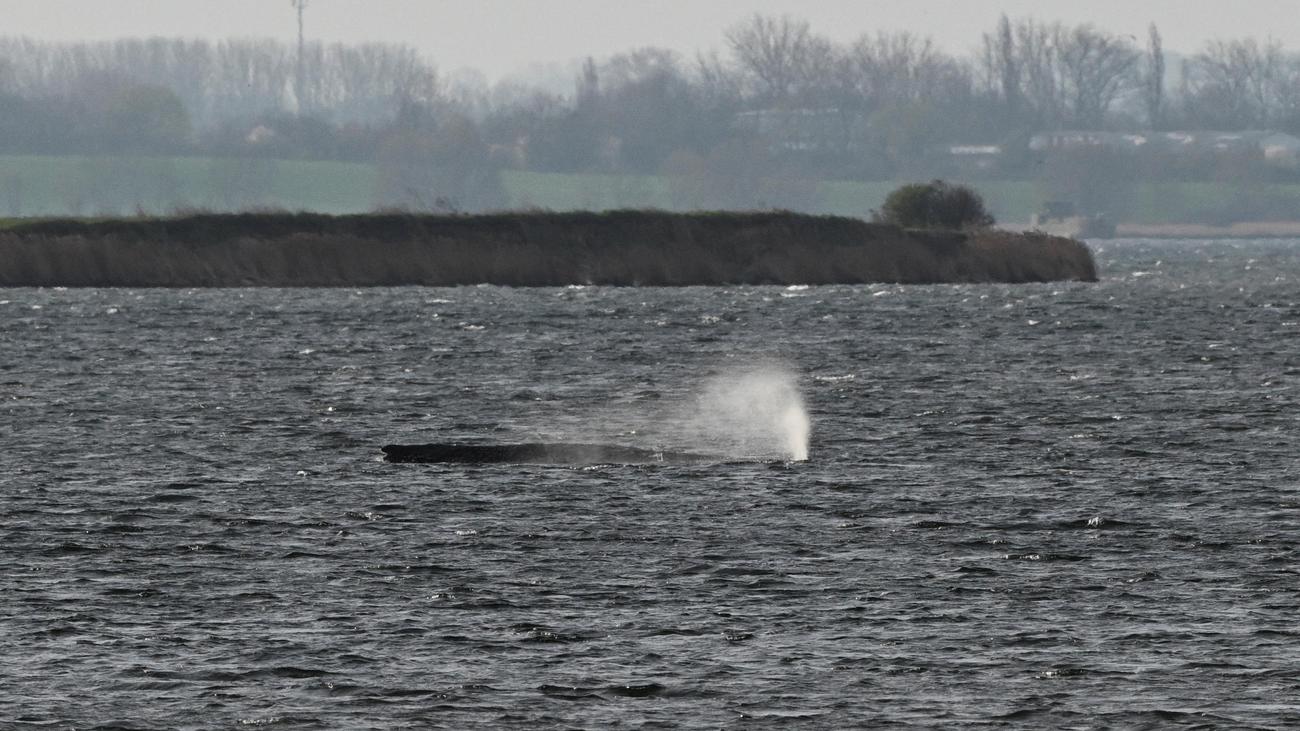
The Baltic Sea, a brackish inland sea far removed from the vast, deep oceans, is an unlikely habitat for the majestic humpback whale. Yet, in a captivating and ultimately heart-wrenching saga, such a creature found itself far from its usual hunting grounds, captivating a nation and posing profound questions about wildlife intervention. The question on many minds quickly became: Was Ist Aus Dem Wal In Der Ostsee Geworden – what became of this enigmatic whale in the Baltic Sea? This article delves into the dramatic events, the critical decisions made, and the underlying principles that guided the eventual halting of rescue efforts for the distressed leviathan.
The Unfolding Drama of the Baltic Sea Humpback
The story of the Baltic Sea humpback began with a mixture of hope and alarm. First sighted near Timmendorfer Strand, the whale, estimated to be between 12 and 15 meters long, initially managed to free itself from a treacherous sandbank. This brief success, however, was overshadowed by subsequent strandings. The magnificent marine mammal soon found itself trapped again, this time in the shallow waters of a bay near Wismar. Authorities, including the Wasserschutzpolizei (water police), confirmed its continued presence, almost motionless, in water barely two meters deep. The situation grew increasingly critical, with experts from institutions like the German Oceanographic Museum closely monitoring its deteriorating health. Initial optimism that rising water levels might grant the whale a chance to return to deeper waters began to wane as its condition worsened.
For a more in-depth look at the whale's initial struggle, read our related article: Humpback Whale Stranded in Baltic Sea: A Fight for Survival.
Scientific Director of the German Oceanographic Museum, Burkhard Baschek, highlighted several alarming signs: a significantly reduced breathing rate, poor skin condition, and even remnants of fishing nets caught in its mouth. While previously observed breathing two to three times per minute when it was still in Schleswig-Holstein, the whale’s respiration had slowed drastically to approximately once every four minutes. This represented a 'massive reduction,' indicating severe stress or profound weakness. Despite assurances from Mecklenburg-Vorpommern's Environment Minister Till Backhaus that 'we are not watching the whale die' and that 'everything professionally responsible is being done to help him,' the grim reality of the animal’s struggle became increasingly apparent.
The Difficult Decision: Why Rescue Efforts Were Stopped
The shift from active intervention to a policy of 'maximal Ruhe' – maximum rest – marked a pivotal moment in the whale's plight. This wasn't a decision taken lightly but emerged from a consensus among leading marine mammal experts, conservationists from organizations like Greenpeace and Sea Shepherd, and government officials. Meeresmuseumsdirektor Burkard Baschek articulated the difficult conclusion: "There is no activity that would give cause for hope. The approach of maximum rest and respect for nature dictates letting it go." This statement underscored the profound ethical and practical considerations at play. When a wild animal, especially one as large and sensitive as a humpback whale, is in such a compromised state, direct human intervention can often cause more harm than good.
Challenges of Large Marine Mammal Rescue
Large-scale rescue operations for whales are incredibly complex and fraught with danger, both for the animal and for human rescuers. A stressed whale can be unpredictable, and attempts to physically move it can lead to further injury, exhaustion, or even drowning in shallow waters. The very presence of boats and people, even well-intentioned ones, can exacerbate the animal’s stress, accelerating its decline. Furthermore, sedating such a massive creature in an uncontrolled environment presents immense risks. Experts noted the whale’s increasing weakness, its lack of movement, and its significantly reduced breathing as undeniable signs that its chances of self-recovery were virtually nil. The decision to cease active rescue was, therefore, an acknowledgment of the whale's overwhelming suffering and the limited efficacy of further direct intervention, prioritizing the animal's dignity and the principle of non-interference in a seemingly irreversible natural process.
Beyond the Headlines: Understanding the Broader Implications
The saga of the Baltic Sea humpback transcends the immediate tragedy of a single animal. It highlights the intricate challenges of marine wildlife conservation, particularly when majestic ocean dwellers venture into unusual territories. The Baltic Sea, with its relatively shallow depths, lower salinity, and unique ecosystem, is vastly different from the deep, nutrient-rich waters humpbacks typically inhabit. Was Ist Aus Dem Wal In Der Ostsee Geworden ultimately prompts us to consider why it ended up there in the first place. Was it disorientation, a navigational error, or perhaps an indicator of broader environmental changes influencing whale migration patterns?
This event also serves as a crucial reminder for the public regarding responsible interaction with marine wildlife. Should you ever encounter a stranded or distressed marine mammal:
- Do NOT approach or attempt to touch the animal. Your presence can cause further stress, and large animals can be unpredictable and dangerous.
- Keep a safe distance. Observe from afar.
- Contact local authorities immediately. This includes the police, coast guard, or dedicated wildlife rescue organizations. Provide precise location details and a clear description of the animal's condition.
- Follow all instructions from authorities. They are equipped and trained to handle such sensitive situations safely and effectively.
Understanding and respecting these guidelines is paramount to ensuring the safety of both the animal and potential rescuers. It reinforces the idea that sometimes, the most compassionate action is minimal, well-informed intervention guided by expert advice.
A Glimmer of Hope, Or a Lingering Question?
While the official stance from experts was that the whale would likely perish given its grave condition, the narrative took an intriguing turn almost a year later. On Easter Monday, a report emerged from Bernd Zimmermann of a whale sighting under his boat in the Baltic Sea. The question immediately arose: could this be the same humpback, miraculously recovered and continuing its journey? While there's no definitive confirmation that this was the exact same individual, the possibility offered a tantalizing, if faint, glimmer of hope. It underscores the incredible resilience of nature and the enduring mysteries of the ocean. For those who followed the original story, the question of 'Was Ist Aus Dem Wal In Der Ostsee Geworden' lingers, perhaps with a touch more optimism than initially thought possible.
To explore the speculative fate of this remarkable creature and the ongoing discussion, refer to our article: The Baltic Sea Whale: What Became of the Humpback?.
The story of the Baltic Sea humpback is a poignant chapter in human-wildlife interaction. It exemplifies the agonizing decisions faced by conservationists when powerful natural forces intersect with the vulnerability of individual animals. The choice to halt rescue efforts was a testament to a profound respect for nature's course, a recognition of the limits of human intervention, and an acceptance of the inevitable when hope dwindles. While the immediate fate of the whale in Wismar was grimly anticipated, the subsequent, unconfirmed sighting in the broader Baltic Sea offers a complex and more nuanced answer to the question that captivated so many: Was Ist Aus Dem Wal In Der Ostsee Geworden. Ultimately, the whale’s journey, whether ending tragically in the shallows or continuing against all odds in the deeper waters, serves as a powerful reminder of the preciousness of marine life and the delicate balance we must strive to maintain with our natural world.